Road to Jukai Demo Guide: Steam Playtest, Gameplay, and Release Details
Explore the Road to Jukai demo and playtest details. Learn about tinyBuild's new psychological horror taxi sim, gameplay features, and release info.
If you have ever felt a chill running down your spine during a late-night drive on an empty highway, the upcoming psychological horror simulator Road to Jukai is designed specifically for you. Horror enthusiasts are rushing to experience the Road to Jukai demo and open playtest to see how developer Endflame handles the terrifying atmosphere of rural Japan. Whether you are wondering how to join the current Steam playtest or want to know what to expect behind the wheel, diving into the Road to Jukai demo offers an eerie preview of what might be one of the most unique indie horror titles of 2027.
Publisher tinyBuild, known for backing innovative indie gems, recently confirmed they will be publishing the title—previously developed under the working name Silent Road. Set against the backdrop of Japan’s most legendary and tragic haunted woodland, this first-person driving horror game puts you in the driver's seat during six grueling night shifts.
What Is Road to Jukai? Overview and Publisher News
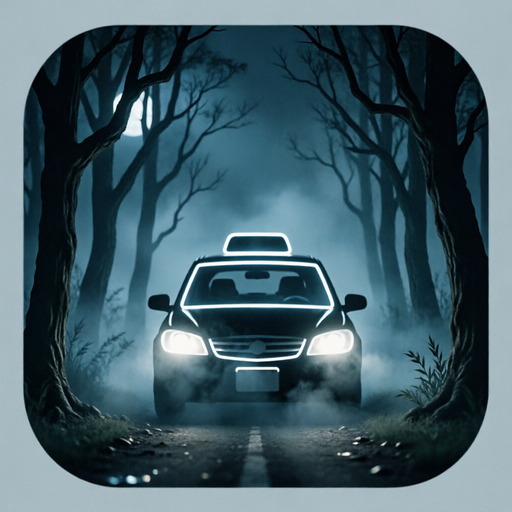
Road to Jukai blends the mundane tension of night-shift driving jobs with psychological Japanese folklore horror. Developed by Endflame and published by tinyBuild, the game casts you as a taxi driver working the graveyard shift, transporting locals and mysterious strangers between isolated Japanese mountain towns bordering a dense, haunted sea of trees.
According to developer updates covered by Gematsu's publishing announcement, the project evolved significantly from its early development phase as Silent Road into its current thematic identity.
| Game Attribute | Detail |
|---|---|
| Developer | Endflame |
| Publisher | tinyBuild |
| Former Title | Silent Road |
| Genre | First-Person Psychological Horror / Driving Sim |
| Target Platforms | PC (Steam) |
| Full Release Year | 2027 |
| Current Availability | Steam Playtest / Demo Build |
The narrative takes place over six distinct nights. Rather than relying entirely on cheap jump scares, the title builds deep psychological dread through environmental storytelling, radio static, non-linear narrative progression, and increasingly disturbing passenger interactions.
How to Access the Road to Jukai Demo and Playtest
Getting early hands-on time with an indie horror game during active development gives players a voice in shaping mechanics before the full 2027 launch. Endflame has made the public playtest build accessible directly through Steam.
If you are eager to jump into the Road to Jukai demo experience, the process is straightforward:
| Step | Action | Description |
|---|---|---|
| Step 1 | Visit Steam Store | Navigate to the official Road to Jukai store listing on PC. |
| Step 2 | Request Access | Look for the "Join the Road to Jukai Playtest" section and click Request Access. |
| Step 3 | Instant Enrollment | In most current playtest waves, access is granted automatically or within a few hours. |
| Step 4 | Download & Install | Install the lightweight test client onto your SSD for optimal streaming of forest assets. |
| Step 5 | Submit Feedback | Use the built-in feedback tool to submit bug reports and performance logs. |
Because the current build functions as an active test bed, player experiences may vary across different hardware configurations. Testing early builds helps the developers optimize performance for dark, fog-heavy lighting engines.
Core Gameplay Mechanics: Surviving the Night Shift
Playing the Road to Jukai demo reveals that the gameplay loop is far more intricate than a standard walking simulator. The game creates tension by forcing you to multitask between operating a realistic vehicle and monitoring your surroundings.
       [ Taxi Depot: Accept Fare ]
                    │
                    ▼
     [ Navigate Winding Forest Roads ]
       ├── Watch rearview mirror
       ├── Manage headlights & wipers
       └── Listen to passenger dialogue
                    │
                    ▼
       [ Psychological Events Trigger ]
       ├── Roadside apparitions
       ├── Demonic passenger requests
       └── Vehicle system malfunctions
                    │
                    ▼
        [ Safe Drop-Off or Escape ]
Key Gameplay Pillars
- Eyes on the Road: Driving on narrow Japanese rural roads requires steady steering, watching for sudden road blockages, and managing your taxi's systems such as wipers during torrential rain and defoggers on freezing nights.
- The Night Shift: Every fare brings a new story. Some passengers are exhausted office workers, while others might not be entirely human. Managing your conversation and checking your rearview mirror can reveal chilling anomalies.
- The Dead Never Left: As you drive along the edge of Jukai forest, supernatural phenomena increase. Players must deduce which routes are safe and how to avoid drawing the attention of wandering spirits.
| Mechanic | In-Game Purpose | Threat / Horror Consequence |
|---|---|---|
| Rearview Mirror | Monitor backseat passengers | Seeing figures change posture or disappear |
| High/Low Beams | Spot road hazards and signs | Heavy fog blinds high beams; reveals roadside entities |
| Radio / Dispatch | Receive passenger pickup coordinates | Unexplained frequencies and phantom voices |
| Fuel & Vehicle Health | Maintain operational vehicle | Breakdowns leave you stranded in total darkness |
Community Impressions and Playtest Feedback
Early community reports from horror gamers who have tested the Road to Jukai demo highlight the game's atmosphere as its greatest strength. The combination of claustrophobic vehicle interiors and the endless wall of dark trees outside creates a pervasive sense of isolation.
| Feature Category | Community Rating (1–5) | Player Experience Notes |
|---|---|---|
| Atmosphere & Sound | 4.8 / 5.0 | Immersive rain audio, engine hum, and eerie silence build genuine tension. |
| Driving Physics | 4.1 / 5.0 | Responsive steering tailored for narrow, winding mountain passes. |
| Story Hook | 4.6 / 5.0 | Strong Japanese folklore inspiration with non-linear narrative branches. |
| Performance/Optimization | 3.8 / 5.0 | Occasional frame drops in dense volumetric fog; improving with patch updates. |
Many players compare the psychological tension to classic J-Horror cinema, where the dread stems not from what leaps out from the screen, but from what you anticipate seeing in your vehicle's side mirrors.
System Requirements & Optimization Tips
To get smooth frame rates while testing the Road to Jukai demo, you will want to make sure your PC meets the recommended hardware specifications. Volumetric fog and dynamic vehicle lighting can be demanding on older graphics cards.
| Hardware Component | Minimum Requirement | Recommended Specification |
|---|---|---|
| OS | Windows 10 (64-bit) | Windows 11 (64-bit) |
| Processor | Intel Core i5-6600K / AMD Ryzen 5 1600 | Intel Core i7-9700K / AMD Ryzen 7 3700X |
| Memory | 8 GB RAM | 16 GB RAM |
| Graphics Card | NVIDIA GTX 1060 (6GB) / AMD RX 580 | NVIDIA RTX 3060 / AMD Radeon RX 6700 XT |
| DirectX | Version 11 | Version 12 |
| Storage | 15 GB available space | SSD Installation Strongly Recommended |
Best Settings for Stable Performance
- Set Volumetric Fog to Medium: This yields significant FPS gains on mid-range cards without sacrificing ambient dread.
- Lock Frame Rate to 60 FPS: High frame stability is critical to prevent motion sickness during narrow vehicle steering.
- Enable Spatial Audio: Use stereo headphones with spatial audio enabled to hear subtle passenger movements and roadside sounds.
Frequently Asked Questions (FAQ)
Is the Road to Jukai demo completely free to play?
Yes. The current Road to Jukai demo and Steam playtest build are free for players who request access through the game's official Steam page.
When will the full version of Road to Jukai release?
Publisher tinyBuild and developer Endflame have announced a targeted full PC release window in 2027. Additional platform announcements may follow closer to launch.
What happened to the game Silent Road?
Silent Road was the original working title used by Endflame during early development. The title was rebranded to Road to Jukai following their publishing partnership with tinyBuild.
Does the Road to Jukai demo support controllers and steering wheels?
The current playtest offers full standard controller support alongside mouse and keyboard controls. Dedicated racing wheel support is being evaluated by the development team based on player feedback during the testing period.
Related Guides
Latest Road to Jukai Updates: Rebrand, Gameplay Details, and Steam Playtest
Explore the newest Road to Jukai updates, including the title shift from Silent Road, night-shift taxi mechanics, and the 2027 release window.
Road to Jukai Discord Guide: Join the Community, Get Dev Updates & Connect
Join the official Road to Jukai Discord community. Connect with horror fans, track developer updates from Endflame and tinyBuild, and share feedback.
Road to Jukai Reddit Guide: What Practitioners Wish They Knew Before Zen Precepts
Explore the complete Road to Jukai Reddit guide covering rakusu sewing, lineage charts, precept study, costs, and key community insights.
Road to Jukai Release Date: Playtest Access, Windows, and Expectations
Looking for the official Road to Jukai release date? Get verified details on the 2027 launch window, Steam playtest access, and gameplay features.