Road to Jukai Combat Guide: Survival Mechanics, Threats, and Driving Defense
Master Road to Jukai combat and survival mechanics. Learn defensive driving, entity management, and psychological horror systems in Endflame's indie title.
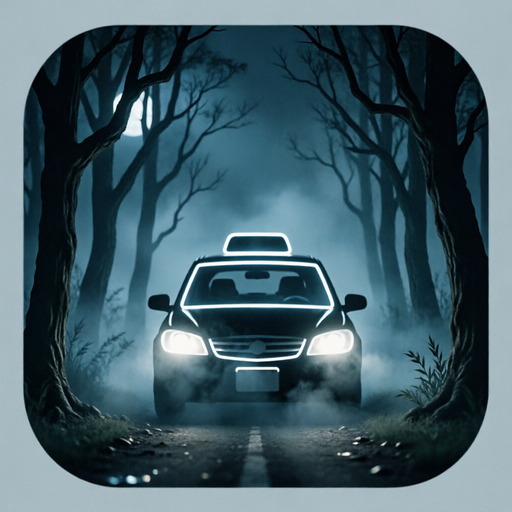
Mastering the tension of the night shift means understanding how Road to Jukai combat diverges completely from traditional action horror titles. Developed by Endflame and published by tinyBuild, this first-person psychological thriller places players behind the wheel of a taxi traversing the perimeter of Japan's most notorious haunted forest. Rather than wielding shotguns or melee weapons, your primary approach to Road to Jukai combat revolves around situational awareness, vehicle management, and psychological endurance against supernatural entities.
Surviving six harrowing nights between isolated Japanese mountain towns requires a clear grasp of how avoidance and defensive mechanics function. In this comprehensive guide, we break down core encounter systems, defensive driving techniques, passenger management protocols, and essential survival strategies to help you reach sunrise.
Understanding Combat in Road to Jukai: Defense Over Offense
Unlike conventional survival horror games where players scavenge ammunition to slay monsters, Road to Jukai redefines combat encounters through the lens of vulnerability. You play as an ordinary night-shift taxi driver caught in a liminal nightmare. Your vehicle serves as your primary shelter, your workspace, and your sole lifeline against the anomalies lurking along dark forest roads.
According to development announcements tracked on Gematsu's coverage of Road to Jukai, the experience emphasizes a disturbing, non-linear narrative where the dead call out from the trees. Therefore, direct physical confrontation is fatal; encounters are structured as evasion, environmental manipulation, and split-second decision-making.
| Core Feature | Traditional Survival Horror | Road to Jukai Approach |
|---|---|---|
| Primary Interaction | Firearms, melee weapons, crafting | Steering, cabin controls, headlights, speed management |
| Encounter Resolution | Eliminating enemies, clearing rooms | Route diversion, maintaining cabin sanity, timely stops |
| Safe Havens | Designated save rooms | Moving taxi cabin (conditional), brightly lit town hubs |
| Resource Economy | Ammunition, health packs, stamina | Fuel, battery charge, passenger comfort, mental composure |
Viewing the vehicle as your tactical platform is vital for handling any potential Road to Jukai combat scenario. When an anomaly manifests, your response must rely on reading warning signs rather than fighting back.
Threat Assessment: Encountering Anomalies on the Road
During your shifts across the six-night narrative arc, threats manifest in various forms. Some entities obstruct mountain passes, while others seek entry into the taxi cabin directly. Understanding the behavioral patterns of these supernatural hazards dictates your tactical choices.
| Threat Category | Manifestation Method | Primary Hazard | Recommended Countermeasure |
|---|---|---|---|
| Roadside Phantoms | Spectral figures standing on shoulder lanes | Distraction, sudden lane blockages | Keep eyes on the road; toggle high beams; maintain speed |
| The Hitcher Entities | Deceptive passenger fares signaling for pickup | Cabin infiltration, severe sanity drain | Inspect passenger behavior before unlocking doors; check rearview mirror |
| Forest Wraiths | Fast-moving shadows sweeping across tree lines | Vehicle electronic failure, engine stalls | Accelerate past fog pockets; restart electrical systems promptly |
| Audio Hallucinations | Disembodied voices mimicking dispatch or family | Player disorientation, erratic steering | Adjust radio frequencies; focus on road signage |
Player experience from early playtest sessions highlights that hesitating at roadside stops drastically increases entity aggression. When navigating dark forest routes, preemptive observation is your strongest offensive tool.
Threat Encounter Loop:
Visual/Audio Cue Spotted -> Assess Threat Distance -> Adjust Cabin Controls (Lights/Locks) -> Navigate or Divert -> Maintain Speed to Safe Zone
Defensive Driving Mechanics and Vehicle Maintenance
In Road to Jukai, defensive driving functions as your active combat mechanic. Managing the mechanical integrity of your taxi determines whether you outrun approaching apparitions or become stranded in the deep woods.
Critical Vehicle Systems to Manage
- Headlight Illumination: High beams pierce dense fog to reveal obstacles early, but certain light-sensitive spirits react aggressively to intense glare. Alternating between low and high beams based on entity type is essential.
- Fuel Consumption: High speeds drain fuel reserves quickly. Running dry in the dead zone between towns guarantees lethal encounters.
- Door Lock Engagement: Automated locks prevent unauthorized entities from forcing their way inside when stopping at intersections or picking up legitimate fares.
- Cabin Temperature and Defrosters: Fogged windows obscure your vision, making sudden phantom appearances impossible to dodge.
| Vehicle Subsystem | Tactical Purpose | Risk of Neglect | Maintenance Action |
|---|---|---|---|
| Headlights | Spot road hazards & spectral blockades | Blind navigation, high collision rate | Clean lenses at service stops; replace failing fuses |
| Cabin Locks | Prevent hostile passenger forced entry | Direct cabin breach and game over | Engage master lock switch before stopping |
| Engine Ignition | Rapid escape from localized anomalies | Vehicle stalls during critical pursuits | Avoid redlining the engine; monitor radiator heat |
| Radio Dispatch | Route updates and early anomaly warnings | Driving into blocked or cursed roads | Tune to clear frequencies; filter out ghost chatter |
Refining these mechanical actions transforms intense Road to Jukai combat encounters into manageable evasions. Treating your taxi with the care of a tactical operations vehicle ensures you reach the end of your shift intact.
Passenger Psychology: Surviving the Backseat
Transporting passengers through the haunted routes surrounding Jukai Forest introduces internal cabin pressure. Not every fare you pick up belongs to the land of the living, and even human passengers can succumb to hysteria, threatening your control of the vehicle.
Managing backseat encounters requires balancing professional service with extreme vigilance. Reviewing community reports and playtest feedback reveals several key survival steps when handling suspect fares:
- Evaluate the Fare Before Unlocking: Observe posture, clothing, and whether their reflection appears in wet pavement puddles.
- Monitor Rearview Sanity Cues: Watch for subtle shifts in passenger movement. Unnatural twitching or whispering indicates an escalating incident.
- Engage in Cautious Dialogue: Choose responses that de-escalate tension without validating delusional or malevolent statements.
- Execute Emergency Drop-offs: If a passenger transforms or manifests hostile paranormal traits, pull over in illuminated zones to eject the entity safely.
| Passenger Type | Behavioral Profile | Danger Level | Survival Strategy |
|---|---|---|---|
| Standard Commuter | Quiet, tired, anxious to reach destination | Low | Drive smoothly; respect speed limits; avoid erratic maneuvers |
| Traumatized Wanderer | Disoriented, hyperventilating, speaks of forest shadows | Medium | Reassure via dialogue; keep cabin lights dimmed; take direct routes |
| Spectral Mimic | Contradictory destinations, distorted voice, no eye contact | Extreme | Do not open doors; if inside, drive toward shrine boundaries immediately |
Understanding these dynamics ensures that cabin-based Road to Jukai combat sequences remain under your control, preventing psychological breakdowns behind the wheel.
5 Practical Survival Strategies for Night Shifts
To minimize casualties and prevent costly vehicle repairs during your routes, incorporate these proven survival strategies:
- Memorize Key Landmarks: Learn the positions of roadside shrines, working streetlights, and 24-hour convenience stores. These serve as reliable safe havens during aggressive chases.
- Conserve Electrical Power: Do not run defrosters, high beams, and the interior cabin dome light simultaneously unless necessary. Overloading the alternator leaves you vulnerable to sudden power cuts.
- Never Stop in Unmarked Fog Banks: Dense, localized mist often conceals stationary anomalies. Maintain a steady, moderate pace rather than slamming on the brakes.
- Listen Beyond the Engine Noise: Subtle auditory cues—such as crunching leaves, scratching on the trunk, or radio static—signal approaching entities seconds before visual confirmation.
- Respect the Route Variations: If dispatch warns of closed mountain passes or strange activity along secondary roads, take the longer, well-lit bypass even if it consumes extra fuel.
Integrating these practices into your regular gameplay loop significantly reduces your risk profile during high-stakes Road to Jukai combat sequences.
Frequently Asked Questions (FAQ)
Is there conventional weapon combat in Road to Jukai?
No. Road to Jukai does not feature traditional firearm or melee weapon systems. Instead, encounter mechanics emphasize evasion, environmental observation, vehicle control, and passenger sanity management to survive hostile entities.
How does defensive driving work during Road to Jukai combat encounters?
Players use steering, headlight toggling, speed regulation, and door locking mechanisms to navigate past paranormal hazards blocking roads or attempting to breach the vehicle.
Can your taxi be destroyed by supernatural entities?
Yes. Failing to evade physical obstacles, suffering electrical overloads from wraith encounters, or colliding with roadside debris while fleeing hazards can disable your taxi, leaving you stranded in the dark forest.
How many nights must you survive in the story?
The main narrative campaign spans six distinct night shifts, with each subsequent night introducing more aggressive anomalies, complex passenger requests, and deteriorating road conditions.
Related Guides
Road to Jukai Abilities: Complete Guide to Skills, Precepts, and Mastery
Master all Road to Jukai abilities with our comprehensive guide covering core skills, lineage mechanics, rakusu crafting, and training schedules.
Road to Jukai Mechanics Guide: How to Survive Every Night Shift
Master the core Road to Jukai mechanics. Learn how to handle eerie passengers, manage vehicle systems, and survive six night shifts in Japan's haunted forest.
Road to Jukai Progression: The Complete Zen Precepts Path and Study Guide
Master the Road to Jukai progression with this complete guide to Zen precepts, rakusu sewing, lineage charts, and ceremony preparation.
Road to Jukai Survival Guide: How to Endure All 6 Night Shifts
Master essential Road to Jukai survival mechanics, manage sanity, and navigate cursed Japanese mountain roads through every terrifying night shift.