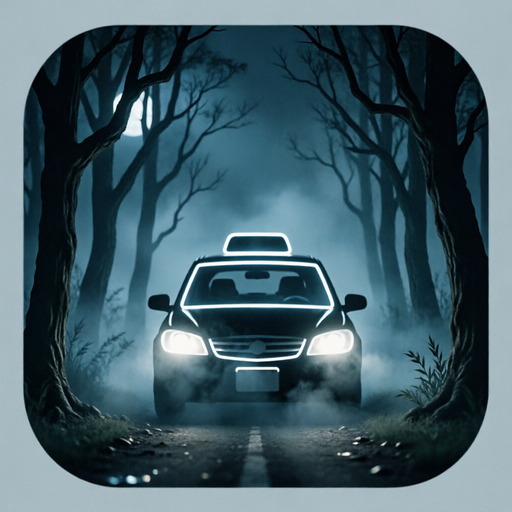
Road to Jukai Mechanics Guide: How to Survive Every Night Shift
Master the core Road to Jukai mechanics. Learn how to handle eerie passengers, manage vehicle systems, and survive six night shifts in Japan's haunted forest.
Stepping behind the wheel of a rural Japanese cab in the dead of night is already an unsettling premise, but mastering the core Road to Jukai mechanics is the only way you will survive until sunrise. Developed by Endflame and published by tinyBuild, this psychological horror title challenges players to complete six grueling graveyard shifts adjacent to a cursed, misty mountain forest. Understanding every system—from rearview mirror observation to fuel economy and passenger anomaly detection—is critical because the fundamental Road to Jukai mechanics reward vigilance just as much as driving skill.
Whether you are navigating narrow mountain passes or deciding whether the silent figure sitting on your backseat vinyl is actually human, this comprehensive guide breaks down all gameplay loops, survival systems, and route strategies.
Core Gameplay Loop: Surviving the Six Night Shifts
The game's progression is structured across six distinct night shifts, with each evening scaling in difficulty, psychological tension, and supernatural complexity. Your routine sounds simple on paper: accept dispatch fares, navigate between isolated mountain towns, drop off passengers, and return safely to your depot before dawn. However, each layer of the experience builds directly on the driving and passenger management loops.
[Accept Dispatch Call] ➔ [Inspect & Pick Up Fare] ➔ [Navigate Mountain Roads] ➔ [Manage In-Cab Events] ➔ [Drop-off & Collect Fare] ➔ [Maintain Vehicle]
Night-by-Night Escalation Overview
As you advance through the campaign, the game introduces escalating threats that test your reaction times and situational awareness.
| Shift | Primary Objective | Environmental Hazard | Threat Level | Typical Anomaly Types |
|---|---|---|---|---|
| Shift 1 | Route orientation & standard fares | Mild road fog, poor street lighting | Low | Distant silhouettes, radio static |
| Shift 2 | Extended routes between remote villages | Heavy mist, erratic road signs | Low–Medium | Unresponsive passengers, flickering lights |
| Shift 3 | High-paying late-night dispatch calls | Rockslides, dense patches of fog | Medium | Mirror hallucinations, sudden cabin chills |
| Shift 4 | Deep forest border navigation | Complete blackout zones, audio distortion | High | Non-human passengers, phantom pedestrians |
| Shift 5 | Emergency pick-ups in isolated sectors | Heavy torrential rain, shifting roads | Very High | Direct cockpit breaches, road obstructions |
| Shift 6 | Final perimeter escape shifts | Unstable reality, supernatural storms | Extreme | Multi-entity manifestations, engine failures |
In-Cab Vehicle Management and Controls
Survival relies heavily on keeping your vehicle operational while monitoring both the road ahead and the interior of your cab. In-game dashboard systems require manual interaction, forcing you to take your eyes off the pitch-black asphalt at critical moments.
According to early player experience reports from public playtests on the official Steam store page for Road to Jukai, tactile interaction plays a vital role in building psychological tension. You cannot simply hold down the accelerator and cruise; every gauge tells an important story.
Essential Dashboard Systems and Functions
| Component / Tool | Primary Function | Failure State / Consequence | Recommended Action |
|---|---|---|---|
| Rearview Mirror | Inspect passenger behavior and rear anomalies | Entity stealth build-up, sudden cockpit jumps | Check every 10–15 seconds on straightaways |
| High / Low Beams | Cut through mountain fog and spot obstacles | Blinding glare in heavy fog or lost road tracking | Toggle to low beams in dense patches; high beams on clear straights |
| Cabin Light Switch | Illuminate rear seats to verify passenger forms | High battery drain, agitation of light-sensitive spirits | Flick on briefly during ticket collection or suspicious silence |
| Radio / Dispatch Receiver | Receive routing updates and dispatch calls | Missing critical route warnings or detours | Tune immediately when audio cues play |
| Engine Temperature Gauge | Monitor radiator strain during steep climbs | Overheating, breakdown in dense forest zones | Coast on declines and avoid prolonged redlining |
| Defroster / Wipers | Clear condensation and torrential rain buildup | Zero windshield visibility | Keep wipers active during sudden weather shifts |
Mastering these cabin systems forms the backbone of the core Road to Jukai mechanics, preventing minor maintenance issues from turning into lethal roadside stranding events.
Passenger Verification: Humans vs. Entities
Not every fare waiting on the roadside is a living human being. One of the most tense Road to Jukai mechanics involves evaluating prospective passengers before and during the ride. Picking up a cursed entity without taking protective precautions can lead to catastrophic consequences.
Behavioral Differences: Humans vs. Paranormal Entities
| Observation Category | Living Human Passenger | Supernatural Anomaly / Entity |
|---|---|---|
| Roadside Posture | Waves down cab, holds luggage, reacts to headlights | Static stance, facing away from road, sudden teleporting |
| Speech & Audio | Clear dialogue, requests specific destinations, sighs | Sub-bass humming, reversed speech, complete unnatural silence |
| Mirror Reflection | Clear, standard reflection matching seat position | Distorted outline, missing reflection, or direct glare at driver |
| Cabin Temperature | Normal cabin climate | Sudden frosted breath, rapid fogging on side windows |
| Payment Method | Standard yen currency, transport cards | Old coins, ash, wet soil, or violent disappearance upon arrival |
Decision Matrix: When to Accept, Reject, or Eject
When approaching a fare, follow this triage flow:
- Approach slowly with low beams: Observe whether the figure casts a natural shadow.
- Review dispatch information: Match the passenger's visual description against the log.
- Listen for cabin audio shifts: If white noise spikes the moment the door opens, prepare to deploy cabin defense countermeasures.
- Enforce fare rules: If an entity breaches the front divide, use the emergency interior light switch or pull into an illuminated bus shelter.
Road Navigation, Map Reading, and Environmental Hazards
Navigating the winding roads adjacent to Jukai forest requires proactive map reading. The game does not hold your hand with glowing GPS breadcrumbs; you must rely on physical road markers, junction signs in kanji/romaji, and your dashboard odometer.
Common Road Hazards and Counter-Strategies
| Hazard Type | Visual / Audio Indicator | Impact on Driving | Best Countermeasure |
|---|---|---|---|
| Jukai Dense Fog | Whiteout wall, muffled engine sounds | Drastically reduced sightlines | Slow down to 25 km/h, activate low beams and hazard flashers |
| Phantom Road Obstacles | Shadows darting across headlights | Panic braking, vehicle spinouts | Tap brakes gently; do not swerve aggressively off-road |
| Shifting Crossroads | Landmarks repeating on odometer | Endless loops, wasted fuel | Stop at the nearest torii gate or milestone sign to reorient map |
| Fallen Timber & Rockslides | Warning signs, loose gravel sounds | Severe front-end collision damage | Execute manual 3-point turns and seek alternate secondary routes |
Managing these route-planning systems is another area where deep familiarity with Road to Jukai mechanics separates surviving drivers from those stranded in the woods.
Resource Management and Vehicle Upgrades
Between shifts, drivers can invest earned fare money into crucial cab upgrades and emergency survival supplies. Balancing earnings between fuel, maintenance, and supernatural defenses is key to enduring the later nights.
Recommended Priority Upgrades
| Upgrade / Item | Cost Tier | Practical Benefit | Priority Ranking |
|---|---|---|---|
| Reinforced Halogen Fog Lights | Medium | Cuts through supernatural fog patches 35% more effectively | Essential (Night 2) |
| Heavy-Duty Car Battery | Medium | Prolongs cabin light and wiper use during engine-off events | High (Night 3) |
| Purified Shinto Talisman (Omamori) | High | Delays entity aggression when hung from the rearview mirror | High (Night 3–4) |
| All-Weather Traction Tires | High | Prevents spinouts on wet, winding mountain declines | Critical (Night 4) |
| Auxiliary Fuel Canister | Low | Provides emergency fuel reserve if lost in looping routes | Medium (Night 2) |
| Enhanced Dashcam Recording Unit | Very High | Documents anomalies for bonus payout upon shift completion | Optional / Economy |
Top 5 Tactical Tips for Mastering Road to Jukai Mechanics
- Rhythmize Your Rearview Checks: Make checking the mirror a rhythmic habit every 10 to 15 seconds. Catching an entity shifting positions early gives you time to react before an attack occurs.
- Conserve Your Battery: Leaving high beams, defrosters, and cabin lights running simultaneously strains your alternator. Turn off unnecessary electronics when idling at passenger pickup zones.
- Never Stop Inside Forest Tunnels: Community reports and playtest feedback highlight tunnels as high-risk anomaly zones. Maintain steady throttle until you emerge into open air.
- Track Your Milestones: If an odometer reading does not match your printed route map distance, you have entered an altered forest stretch. Turn back immediately to the last marked intersection.
- Study the Audio Clues: Subtle environmental sounds—like tapping on the rear windshield or distorted radio frequencies—always precede dangerous events. Keep game volume balanced to hear low-frequency cues.
By thoroughly understanding these intricate Road to Jukai mechanics, players can confidently manage their vehicle, identify paranormal threats, and navigate the haunted mountain routes to see the morning sun.
Frequently Asked Questions (FAQ)
What are the most important Road to Jukai mechanics to learn first?
The most critical initial mechanics are vehicle dashboard control (managing headlights, wipers, and defrosters) alongside rearview mirror monitoring. Balancing safe driving speed with frequent cabin observation prevents both road accidents and passenger-related ambushes.
Can you refuse fares in Road to Jukai?
Yes. If a prospective passenger displays clear supernatural anomaly indicators (such as missing reflections, abnormal posture, or severe audio distortion), you can choose not to unlock the doors and drive away. However, skipping legitimate fares lowers your shift earnings and may lead to dispatch penalties.
How does the psychological horror aspect affect driving mechanics?
As stress levels rise, drivers may experience auditory hallucinations, blurring windshield visuals, false dashboard readings, and phantom road obstacles. Maintaining low stress by keeping the cabin lit and using protective charms helps stabilize vehicle control.
What happens if your taxi runs out of fuel or breaks down during a shift?
Running out of fuel or suffering critical engine breakdown in unlit forest zones leaves you vulnerable to entity attacks. You must manually exit the vehicle to use an auxiliary fuel can or repair the radiator, exposing yourself directly to the surrounding woods.
Related Guides
Road to Jukai Abilities: Complete Guide to Skills, Precepts, and Mastery
Master all Road to Jukai abilities with our comprehensive guide covering core skills, lineage mechanics, rakusu crafting, and training schedules.
Road to Jukai Combat Guide: Survival Mechanics, Threats, and Driving Defense
Master Road to Jukai combat and survival mechanics. Learn defensive driving, entity management, and psychological horror systems in Endflame's indie title.
Road to Jukai Progression: The Complete Zen Precepts Path and Study Guide
Master the Road to Jukai progression with this complete guide to Zen precepts, rakusu sewing, lineage charts, and ceremony preparation.
Road to Jukai Survival Guide: How to Endure All 6 Night Shifts
Master essential Road to Jukai survival mechanics, manage sanity, and navigate cursed Japanese mountain roads through every terrifying night shift.